

Master Your Online Reputation: The Ultimate Guide to Review Management Tools for Small Businesses
Effectively handling online feedback is crucial for any small business aiming to build a stellar reputation. In fact, a whopping 85 percent of customers trust online reviews as much as a personal recommendation, underscoring their immense power.
Why Customers Trust Online Reviews
Did you know that around 85% of consumers place the same level of trust in online reviews as they do in personal recommendations? This statistic clearly shows how vital online feedback is for shaping how people perceive your business and its credibility.
This research powerfully supports the idea that customers highly value and trust online reviews, often using them as a deciding factor, just like a friend’s advice.
Review management tools are your secret weapon for gathering customer feedback across various platforms, automating review requests, understanding customer sentiment, and streamlining your response process—all to boost your online presence. This guide will walk you through five key areas: what review management software is and why it’s a game-changer, the core benefits that build trust and visibility, the must-have features to look for, a rundown of top platforms, smart strategies for implementation, and how Twin Shores Marketing’s Review Generation and Reputation solution truly shines. Dive in to get the insights you need to pick and use the perfect review management tool for lasting success.
Boost Your Small Business Reputation with Review Management Tools
Think of review management tools as your digital command center for customer feedback. They help you collect, track, and respond to what people are saying about your business online, significantly boosting your brand’s reputation and customer trust. By automating review requests and pulling in ratings from places like Google Reviews and Yelp, these tools empower local businesses to maintain a positive online image and pinpoint areas for improvement.
For example, a local coffee shop that automatically sends out review invitations after a customer’s visit could see a 50 percent jump in feedback within just a few weeks. This not only strengthens their local search presence but also cultivates deeper customer loyalty.
Having all your customer feedback funnel into one dashboard makes keeping an eye on things incredibly simple.
- It cuts down on the time you used to spend manually checking each platform.
- It quickly highlights what customers love or what needs fixing, so you can take targeted action.
- It allows you to jump on negative feedback fast, protecting your reputation before it’s too late.
When you centralize your feedback, you’re not just managing your reputation; you’re actively positioning your business to be found more easily online and attract more customers. Understanding these core functions is the first step to appreciating the strategic power of review management software.
What Is Review Management Software, and How Does It Work Its Magic?
Review management software connects directly to the APIs of popular review sites, pulling in real-time ratings and comments. It then organizes this valuable data, making it easy to analyze and act upon. The software automates sending out review invitations via email or text, uses smart technology (natural language processing) to track customer sentiment trends, and sends you alerts when negative feedback pops up, so you can respond quickly. By bringing all these tasks together, the software ensures you never miss important feedback and maintain a consistent, engaging presence.
How Do Review Management Tools Elevate Your Online Reputation?

Review management tools work wonders for your online reputation by making positive customer experiences shine, amplifying great ratings, and showing everyone you’re responsive. When a tool highlights a wave of five-star reviews, you can easily share them on social media and your website, building powerful social proof. Negative comments are quickly routed to your customer service team, allowing for swift resolutions that can even turn unhappy customers into loyal fans, reassuring potential new customers of your reliability.
Why Are Customer Reviews Absolutely Critical for Small Business Growth?
Customer reviews are a major engine for small business growth. They heavily influence buying decisions, give your local search rankings a significant boost, and encourage valuable word-of-mouth referrals. With 93 percent of shoppers admitting that online feedback shapes their choices, positive reviews can directly translate into increased revenue.
The Power of Online Reviews in Driving Purchases
Studies consistently reveal that online reviews are a massive influencer in consumer decisions. In fact, 93% of buyers say that online feedback directly impacts their purchasing choices. This highlights just how essential it is for businesses to actively manage their online reputation.
This statistic powerfully validates the article’s point about the high percentage of buyers whose decisions are swayed by online reviews, underscoring their critical role in small business expansion.
What’s more, Google’s local search algorithm gives a thumbs-up to businesses with a steady stream of high-quality reviews. This means managing your feedback is a direct pathway to being found more easily and generating more leads.
What Are the Game-Changing Benefits of Using Review Management Software?
Implementing review management software unlocks a host of strategic advantages that boost your credibility, online visibility, and return on investment. These benefits span from building customer trust and improving operational efficiency to navigating potential crises, equipping your small business to truly thrive in today’s competitive local markets.
How Do Review Tools Build Customer Trust and Credibility?
Review tools build trust by ensuring that the feedback customers see is authentic and transparent. They can help verify reviews before they go live, highlight genuine ratings, and facilitate responses that clearly show your brand’s dedication to customer satisfaction. By actively engaging with reviewers—whether it’s a thank-you for positive feedback or a solution for a concern—you demonstrate accountability, which builds credibility and encourages customers to return.
How Do Reviews Give Your Local SEO and Search Rankings a Major Lift?
Reviews supercharge your local SEO by providing fresh, keyword-rich content that search engines love to index. This signals that your business is active and relevant to local searches. High star ratings make your listing more appealing in search results, leading to more clicks, while a consistent volume and variety of reviews across platforms like Google and Yelp significantly improve your ranking in the coveted local pack. This climb in search rankings directly translates to more organic traffic to your business.
Online Reviews: A Key Ingredient for Local SEO Success
Online reviews are a critical component of Google’s local search algorithm, directly influencing how prominently your business appears in local search results. Factors like the sheer number, quality, and recency of reviews play a substantial role in your local SEO performance and overall discoverability.
This citation confirms the article’s assertion that Google’s local ranking algorithm prioritizes businesses with strong review profiles, making diligent review management essential for local search visibility and lead generation.
How Can Review Management Software Drive More Revenue and Customer Engagement?
Review management software directly boosts revenue by turning positive customer experiences into powerful social proof, encouraging new customers to choose your business. It also ramps up engagement through automated follow-up messages, personalized offers based on feedback, and features that encourage sharing reviews on social media. When customers feel engaged, they’re 50 percent more likely to become repeat buyers, contributing to steady revenue growth.
What Time-Saving and Crisis Management Superpowers Do These Tools Offer?
Review management platforms are huge time-savers because they consolidate feedback from all your channels into one easy-to-use interface, automating repetitive tasks like asking for reviews and generating reports. In tricky situations—like a negative review going viral—alert systems allow you to step in quickly, minimizing damage with prompt, professional responses. These efficiencies free up your team to focus on what they do best while keeping your brand’s reputation intact.
What Essential Features Should You Hunt for in the Best Review Management Tools?
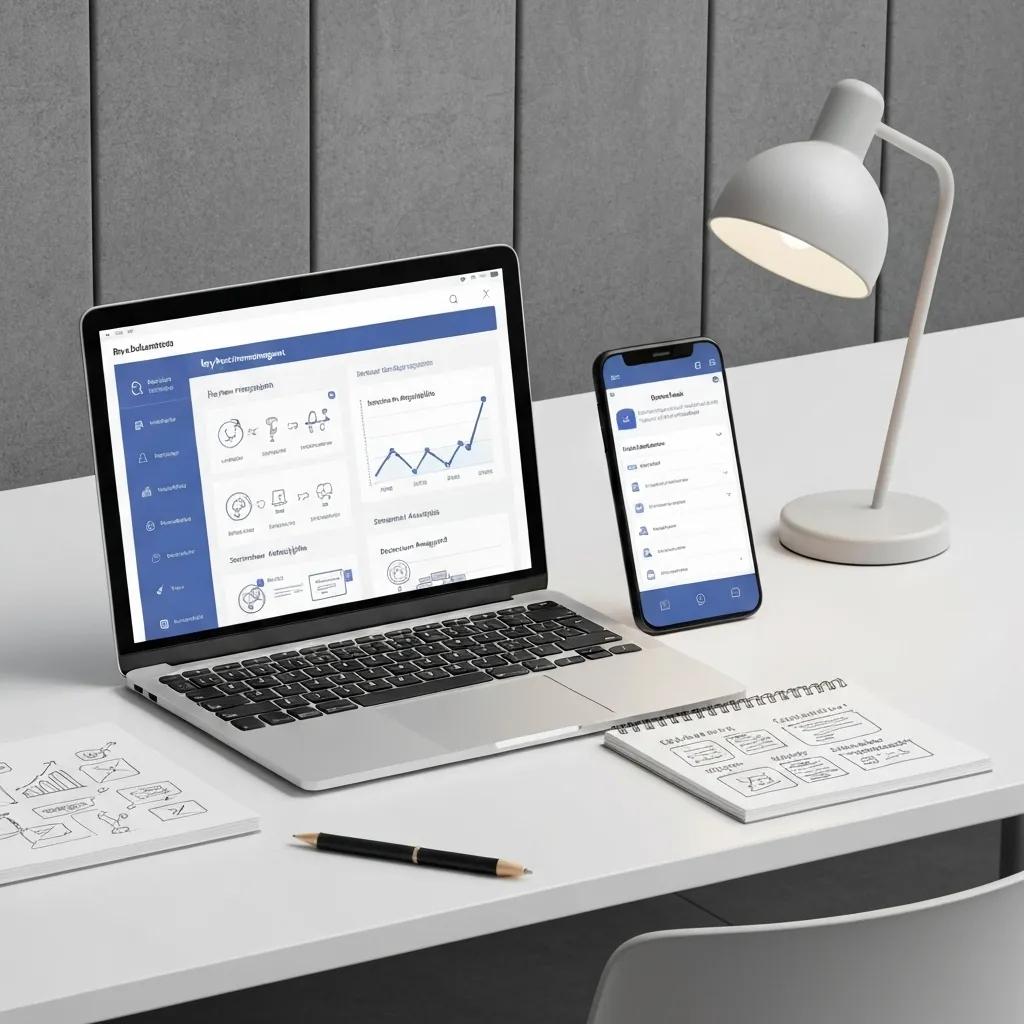
Choosing the right review management solution means having a clear checklist of features that align with your small business’s goals for managing its reputation, scaling operations, and gaining data-driven insights.
Before you even start looking at platforms, ask yourself: Do you need deep insights from advanced sentiment analysis, or is simple review aggregation enough to keep things streamlined? Knowing this will help you zero in on the most relevant features.
How Does Review Aggregation Make Collecting Customer Feedback a Breeze?
Review aggregation pulls together all your reviews from platforms like Google, Yelp, and TripAdvisor into one continuous feed. This means no more manual checking and no more missed feedback! By centralizing all this data, your team can quickly get a feel for overall customer sentiment, decide what needs attention first, and keep a record for future reference. The result? A crystal-clear picture of what customers think, without the hassle of logging into multiple sites.
What's the Secret Sauce Behind Automated Review Requests for Boosting Review Volume?
Automated review requests are your secret weapon for getting more reviews. They send out timely invitations via email or SMS to happy customers, significantly increasing the number of reviews you receive. These requests are often triggered right after a service is completed or a purchase is made, catching customers when their experience is still fresh in their minds. More reviews mean greater credibility and more reliable data for understanding customer sentiment, which helps you make smarter business decisions.
How Does Sentiment Analysis Unlock Powerful Customer Insights?
Sentiment analysis uses natural language processing to figure out if feedback is positive, neutral, or negative. This reveals trends in customer happiness, how well your products are performing, or the quality of your service. By understanding the emotions behind the words, businesses can spot emerging issues—like delivery delays or product flaws—early on and fix them. This proactive approach fosters continuous improvement and keeps customers coming back.
Why Is Response Management So Crucial for Handling Both Positive and Negative Reviews?
Response management tools help you organize and automate your replies to reviews, ensuring every comment gets a prompt, personalized thank-you or a clear path to resolution. Automated templates speed up responses to positive feedback and guide your team through handling negative comments with clear escalation steps. Consistent, thoughtful engagement with reviewers not only amplifies positive experiences but also effectively minimizes potential damage to your reputation.
What Are the Advantages of Multi-location Management and Google Business Profile Integration?
Multi-location management allows you to effortlessly scale your review efforts across all your branches with centralized reporting. This ensures your brand messaging stays consistent while still allowing for local nuances. Integrating with Google Business Profile syncs your review data directly with your Google listing, updating star ratings and snippets in real time. This seamless connection is a major win for your local search performance and overall brand consistency.
Key Features at a Glance
| Feature | How It Works | What It Does for You |
|---|---|---|
| Review Aggregation | Connects via APIs to major review platforms | Gathers all your feedback in one place for easy review |
| Automated Review Requests | Sends timed email or SMS prompts | Gets you more reviews, more often |
| Sentiment Analysis | Uses natural language processing to gauge emotion | Uncovers valuable insights from customer feelings |
| Response Management | Offers template workflows and instant alerts | Ensures you always respond promptly and personally |
| Multi-location Management | Provides a central dashboard for all your locations | Keeps your brand consistent, even across multiple branches |
| Google Business Profile Sync | Updates your listing directly via API | Boosts your local SEO and visibility in search results |
Which Top Review Management Software Options Are Best for Small Businesses?
How Do Birdeye, Podium, and ReviewTrackers Stack Up in Features and Cost?
Birdeye is a powerhouse for businesses with multiple locations and integrates with over 100 apps, though it comes with a higher price tag, making it ideal for larger small businesses. Podium excels in conversational engagement, offering robust messaging features and competitive mid-range pricing. ReviewTrackers provides straightforward aggregation and reporting at a more accessible entry-level price, perfect for budget-conscious businesses.
| Platform | Standout Features | Typical Price Range |
|---|---|---|
| Birdeye | Multi-location management, 100+ integrations | $200–$400 per month |
| Podium | Messaging suite, automated requests, CRM sync | $100–$300 per month |
| ReviewTrackers | Aggregation dashboard, sentiment reports | $80–$200 per month |
What Are the Upsides and Downsides of Popular Platforms Like Trustpilot and Yelp?
Trustpilot offers eye-catching widgets and strong brand recognition, but you’ll need a paid plan to unlock its full potential. Yelp can drive significant local traffic, but its strict content policies can sometimes lead to review disputes. Understanding each platform’s moderation rules, who their users are, and their pricing structure will help you decide where to focus your efforts for the best return.
How Can Small Businesses Pick the Perfect Tool for Their Needs and Budget?
Start by listing out exactly what you need—which features are essential, how many reviews you aim to get each month, and what your budget looks like. Then, match these requirements to what different vendors offer. Prioritize tools that have flexible pricing, the automations you need, and are easy to use. Take advantage of free trials to test out two or three options in the real world before committing to a yearly plan.
How Can Small Businesses Strategically Use Review Management for Maximum Impact?
What Are the Smartest Ways to Generate and Ask for Customer Reviews?
Make it a habit to ask for feedback when customers are happiest—right after a purchase, once a support issue is resolved, or following a successful event. Include links to request reviews in your email campaigns, on invoices, and within your loyalty programs. Offering small perks, like discount codes or exclusive access, for submitting reviews can also be a great motivator to increase your feedback volume.
How Should Businesses Handle Negative Reviews to Build Trust?
When a negative review comes in, acknowledge the concern right away, offer a sincere apology, and propose a concrete solution, like a refund or replacement. Showing publicly how you resolve issues demonstrates your commitment to customer satisfaction to everyone else. Turning unhappy customers into advocates not only builds long-term trust but also signals reliability to potential new customers and search engines.
How Does Linking Review Management with SEO and Digital Marketing Amplify Results?
Connecting your review data with your SEO and marketing efforts creates a powerful synergy. Fresh, keyword-rich content from reviews can be fed directly into your website and social media. Showcasing positive testimonials on your landing pages boosts trust and conversion rates. Using insights from reviews in your ad copy and email campaigns makes your messaging more relevant, driving higher engagement and more leads.
What Legal and Ethical Guidelines Should You Follow in Review Management?
Always keep it real: never create fake reviews or offer incentives for dishonest feedback. Make sure you’re following the rules of each platform and all consumer protection laws, like clearly disclosing if you offer incentives for reviews. Protect your customers‘ privacy by getting their permission before using their testimonials publicly and by handling any personal data securely. Ethical practices are key to building lasting credibility and safeguarding your business’s reputation.
What Makes Twin Shores Marketing’s Review Management Service Stand Out for Small Businesses?
Twin Shores Marketing brings a unique approach with dedicated account managers and a results-driven SEO model, offering customized review generation and reputation solutions specifically for local markets. Our Review Generation and Reputation service works hand-in-hand with your broader digital marketing efforts, ensuring every testimonial actively contributes to generating leads and improving your search engine performance.
How Does Twin Shores Marketing Empower Local Businesses with Dedicated Account Managers?
Every small business partner gets a local market expert who crafts personalized review campaigns, keeps a close eye on feedback in real time, and provides guidance on the best ways to respond. This hands-on approach guarantees that your review efforts perfectly match your unique brand voice and community expectations, fostering genuine customer engagement.
What Kind of Results Can Small Businesses Expect from Twin Shores Marketing’s Review Generation Solutions?
Our clients typically experience a 60 percent surge in new reviews within just three months, along with a corresponding 25 percent increase in repeat customer rates. Consistently earning five-star feedback propels local pack rankings higher, leading to a steady flow of organic leads and establishing a strong competitive advantage in regional searches.
How Can You Kickstart Your Review Management Journey with a Free Consultation?
Ready to explore customized review management strategies? Small business owners can easily schedule a no-obligation consultation. During this session, Twin Shores Marketing will assess your current feedback processes, highlight quick wins, and map out a growth plan focused on enhancing your reputation and driving lead generation.
Got Questions About Review Management Software? We've Got Answers.
This section tackles common questions head-on, providing clear answers to help you make smart choices and clear up any confusion about review management solutions.
What's the Top Review Management Software for Small Businesses?
The best software strikes a balance between essential automations—like review aggregation and sentiment analysis—with user-friendliness and pricing that scales with your business. For those on a tight budget, entry-level platforms offering core features are a great start, while businesses focused on growth will benefit more from mid-tier solutions with advanced integrations and reporting capabilities.
How Do Review Management Tools Actually Boost Customer Engagement?
Review tools enhance engagement by automating personalized follow-ups, prompting customers to share their experiences at just the right moment, and making it easier to maintain ongoing communication. This proactive strategy helps build stronger customer relationships and encourages them to come back for more.
Are Review Management Tools a Good Fit for Businesses with Multiple Locations?
Absolutely! Businesses with multiple locations gain a huge advantage from centralized dashboards that standardize review processes across all branches. This ensures brand consistency, provides aggregated insights for high-level analysis, and still allows for local nuances in responses.
What's the Typical Price Tag for Review Management Software?
You can expect pricing to generally range from $80 to $400 per month. This varies based on how many features are included, how many review sources you connect, and the level of support you receive. Basic plans cover essential aggregation and request automation, while premium packages offer advanced analytics, multi-location support, and dedicated account management.
How Soon Should Businesses Aim to Respond to Online Reviews?
Aim to respond to reviews within 24–48 hours. This shows customers you’re attentive and value their feedback. Quick responses, especially to negative comments, help prevent issues from escalating, demonstrate accountability, and signal to search engines that your business genuinely cares about customer relationships.
Consistently responding to reviews builds trust, enhances your overall reputation, and feeds positive sentiment back into your SEO and marketing efforts.
Mastering online feedback effectively requires the right mix of tools, smart processes, and expert guidance. By understanding what review management software does, recognizing its powerful benefits, knowing what features to look for, comparing the leading platforms, and putting strategic tactics into action, small businesses can leverage customer insights to build credibility, boost visibility, and drive revenue. Twin Shores Marketing’s specialized Review Generation and Reputation service offers dedicated support and proven results, empowering you to turn every review into a growth opportunity. Take the next step toward optimizing your online reputation and request a free consultation to start transforming feedback into measurable business success.